
low iron glass tempered
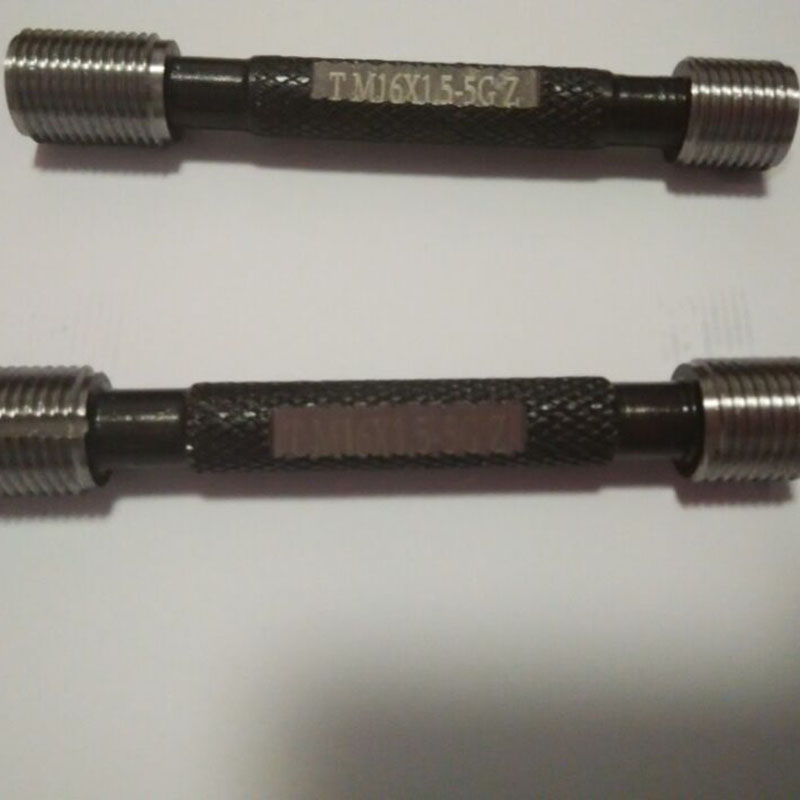
Understanding the Spline Plug Gauge An Essential Tool for Precision Measurement In the realm of manufacturing and quality assurance, precision is paramount. One instrument that plays a crucial role in achieving this precision is the spline plug gauge. This specialized tool is designed to assess the dimensional accuracy of spline fits, which are commonly used in various mechanical components where a high degree of torque transfer and alignment is required. What is a Spline Plug Gauge? A spline plug gauge is a measuring instrument specifically engineered to validate the internal dimensions of spline locks and splined shafts. Spline fits involve grooves or ridges along a shaft or hole, allowing for a secure and reliable connection between mechanical parts. The plug gauge's primary function is to ensure these splines are within specified tolerances, thus ensuring proper functionality. Construction and Features Typically, spline plug gauges are constructed from high-grade steel or carbide, which provides durability and resistance to wear . The gauge itself resembles a cylindrical plug with meticulously machined spline profiles that match the intended splined part. These profiles are crafted to tolerances that reflect the engineering specifications required for the application. spline plug gauge The gauge generally includes two main components the go gauge and the no-go gauge. The go gauge is designed to fit into the spline, indicating that the part is within acceptable tolerances. Conversely, the no-go gauge is slightly larger and should not fit into the spline; if it does, it signifies that the part exceeds the allowed dimensions and may require reworking. Importance in Quality Control Quality control is a fundamental aspect of manufacturing processes, particularly in industries such as automotive and aerospace, where component integrity is critical. The use of spline plug gauges in these sectors helps ensure that parts can be assembled correctly and operate without failure. As splines are often pivotal in driving mechanisms and load-bearing applications, even minor deviations can lead to significant performance issues. By utilizing spline plug gauges, manufacturers can minimize the risk of errors that could lead to equipment malfunction or reduced efficiency. Regular inspection with these gauges not only ensures compliance with industry standards but also enhances the longevity of machinery by preventing premature wear. Conclusion In summary, the spline plug gauge is an indispensable tool in the manufacturing and quality assurance landscape. Its ability to provide accurate measurement of spline fits ensures that components operate smoothly and efficiently. As technology continues to evolve, the design and application of spline plug gauges will adapt, but their fundamental purpose will remain the same to uphold the standards of precision and quality in engineering. By investing in proper measurement tools like spline plug gauges, manufacturers can guarantee the reliability and performance of their products in an increasingly competitive market.
about
low iron glass tempered
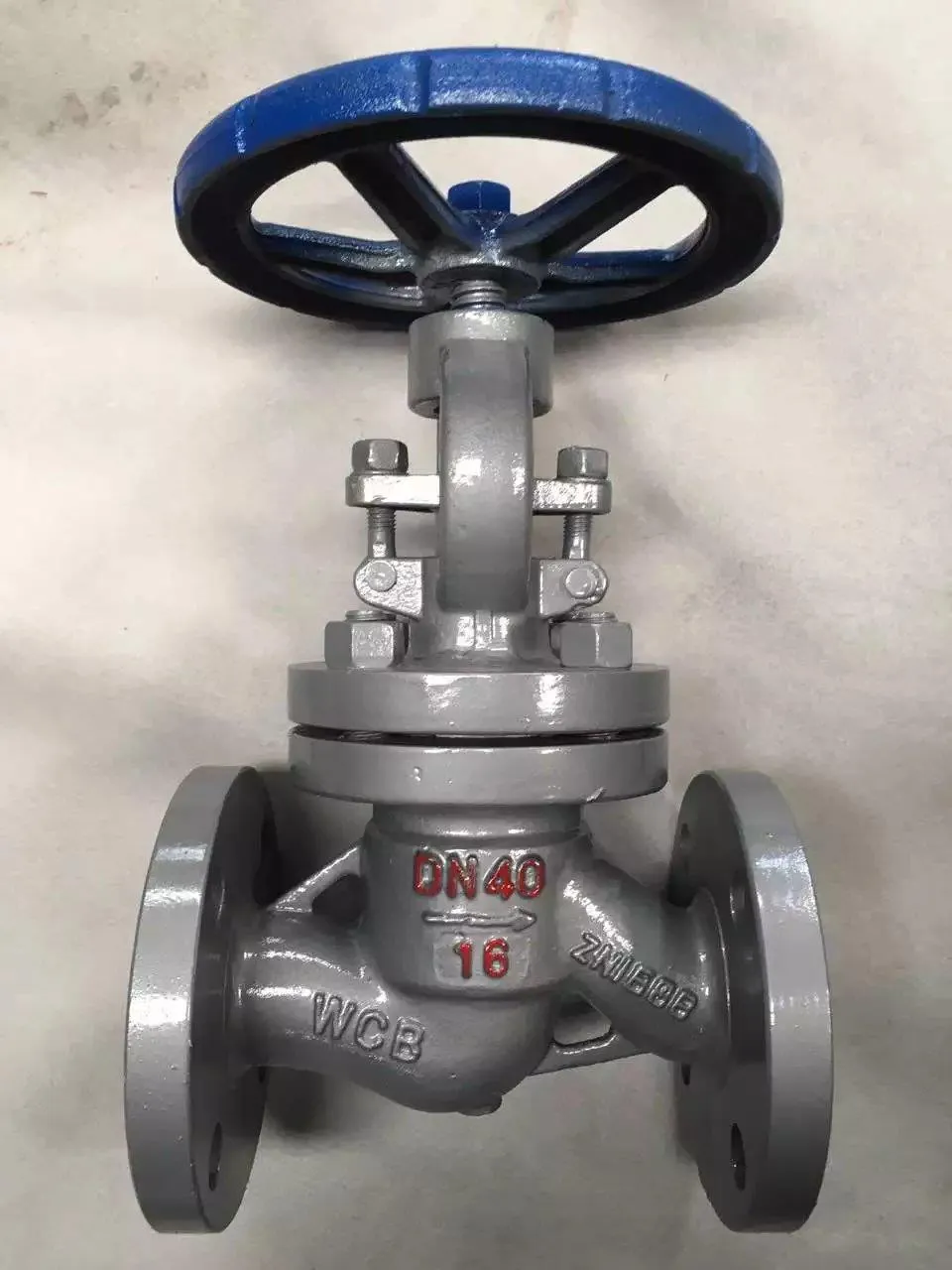
Understanding the 2% Angle Globe Valve Design, Functionality, and Applications In the vast world of fluid control systems, choosing the right valve is crucial for efficient operation and reliability. Among the myriad of valves available, the 2% angle globe valve stands out for its unique design and functionality. This article will delve into the characteristics, advantages, applications, and maintenance of the 2% angle globe valve. What is a 2% Angle Globe Valve? A globe valve is a type of valve that uses a spherical body and a movable disk-like element to control the flow of fluids. The 2% angle refers to the design angle at which the inlet and outlet ports are connected, which is approximately 2 degrees from a vertical line. This design allows for better flow control and reduced pressure drop compared to traditional globe valves. The geometry of the valve body enables a significant reduction in turbulence, leading to a more efficient flow path. Key Features and Advantages 1. Flow Control The primary function of a 2% angle globe valve is to regulate flow. The valve's design allows for precise control over the flow rate, making it ideal for applications where accurate flow measurement and regulation are essential. 2. Reduced Pressure Drop Compared to standard globe valves, the 2% angle globe valve has a more streamlined internal design, which minimizes the pressure loss across the valve. This feature helps maintain system efficiency, making it a favorable choice in various industrial applications. 3. Durable Construction These valves are typically made from high-quality materials such as stainless steel, brass, or other alloys, ensuring they can withstand the most demanding operating conditions, including high pressure and temperature. 4. Versatility The 2% angle globe valve can handle a wide range of fluids, including liquids, gases, and steam. Its adaptability makes it suitable for diverse industries, including oil and gas, chemical processing, water treatment, and HVAC systems. 5. Easy Maintenance Maintenance of the 2% angle globe valve is generally straightforward due to the valve's design. Most models allow for in-line maintenance, meaning they do not need to be removed from the pipeline for servicing. 2 angle globe valve Applications The 2% angle globe valve is employed in numerous industrial applications, particularly where flow control is critical. Common applications include - Chemical Processing The ability to finely tune flow rates makes these valves ideal for chemical reactors and other processes where precise ingredient ratios are necessary. - Oil and Gas In oil extraction and refining, controlling the flow of oil and gas safely and efficiently is paramount. The 2% angle globe valve can handle high-pressure conditions typical in this sector. - Water Treatment These valves are used in various water treatment plants to regulate the flow of treated water or chemicals used in the treatment process. - HVAC Systems In heating, ventilation, and air conditioning (HVAC) applications, the valve aids in regulating hot water and steam flow, contributing to energy efficiency. Conclusion In conclusion, the 2% angle globe valve is an essential component in the toolkit of engineers and operators across multiple industries. Its design provides significant advantages in flow regulation, pressure maintenance, and durability, making it a reliable choice for critical applications. When selecting a valve, it is imperative to consider the characteristics specific to your application and consult technical specifications to ensure compatibility and performance expectations are met. Investing in a high-quality 2% angle globe valve not only enhances system efficiency but also promotes safety and reliability in fluid control processes. Whether utilized in chemical processing or water treatment, this valve stands as a testament to engineering ingenuity, providing functionality that meets the demands of modern industrial applications.
-

High quality industrial productsagement

High quality industrial products
View Details -

Meet the diverse needs of customers

Meet the diverse needs of customers
View Details -

Strict quality control

Strict quality control
View Details -

Top raw materials

Top raw materials
View Details -

Trusted supplier

Trusted supplier
View Details
Our application
news and information

Valves Available for Purchase at Competitive Prices
Valves for Sale A Comprehensive Guide to Understanding and Purchasing In the world of industrial mac
Versatile Thread Gauge for Precision Measurement and Adjustability in Mechanical Applications
Understanding Adjustable Thread Gauges A Tool for Precision Measurement In the world of engineering
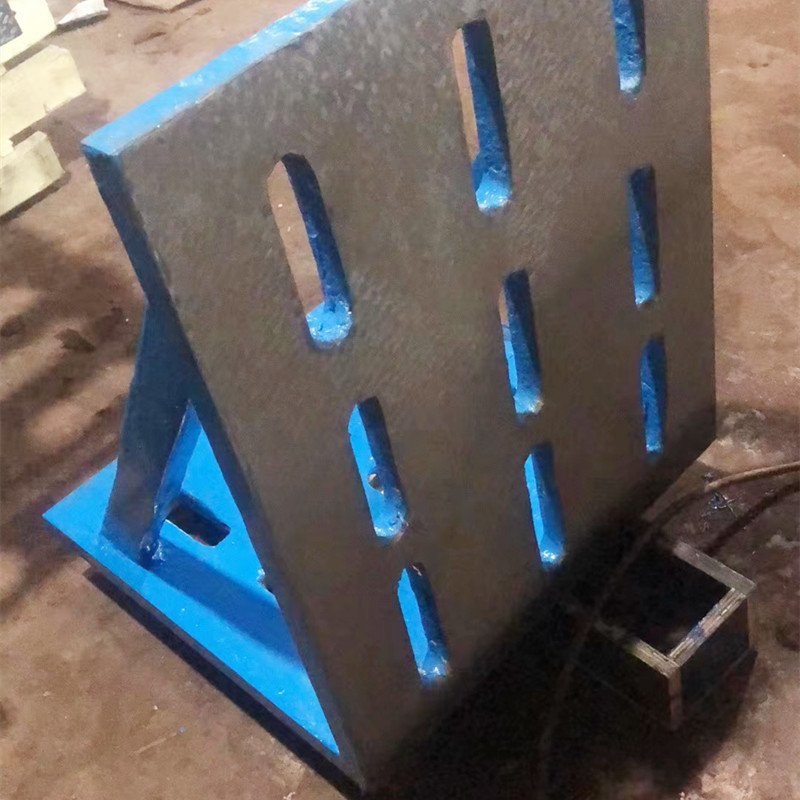
Welding Station Design for Enhanced Efficiency and Precision
The Importance of a Welding Workbench in Fabrication Welding is a crucial process in various industr
 English